U.S. Central Command@CENTCOM·2hWorld
U.S. Sailors conduct M4 rifle qualification training aboard USS Gonzalez (DDG 66) in the Red Sea. Training like this ensures Sailors are qualified to perform armed watch standing duties when needed.

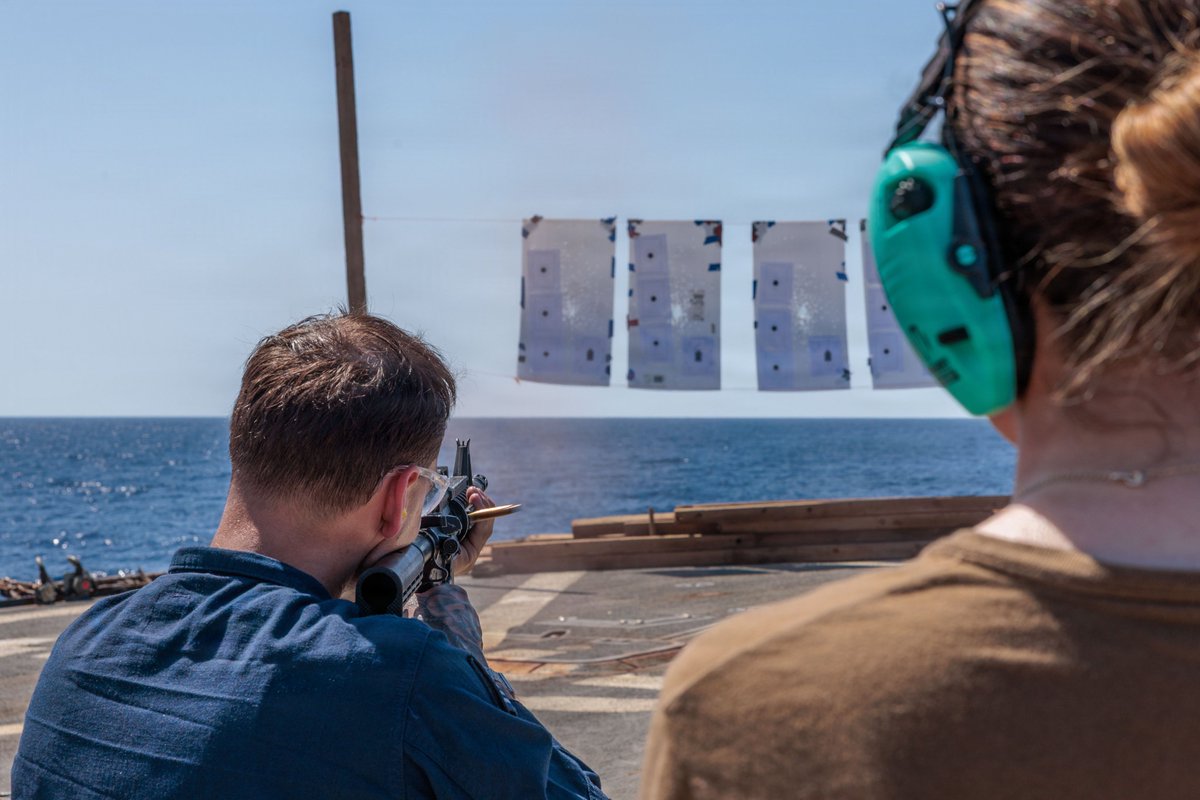
U.S. Sailors conduct M4 rifle qualification training aboard USS Gonzalez (DDG 66) in the Red Sea. Training like this ensures Sailors are qualified to perform armed watch standing duties when needed.
USS Delbert D. Black (DDG 119) completes a vertical replenishment-at-sea with USNS John Lewis (T-AO-205) while transiting the Arabian Sea, June 15. Replenishments-at-sea ensure Sailors receive supplies, mail, and other needed items without the ship having to pull into port.
U.S. Sailors support operations aboard USS Gonzalez (DDG 66) and USS Thomas Hudner (DDG 116) as the ships transit the Red Sea.


A U.S. Marine Corps CH-53 helicopter prepares to land aboard expeditionary mobile base USS Miguel Keith (ESB 5). As a floating sea base, the ship is capable of refueling, rearming, and deploying a variety of military assets.

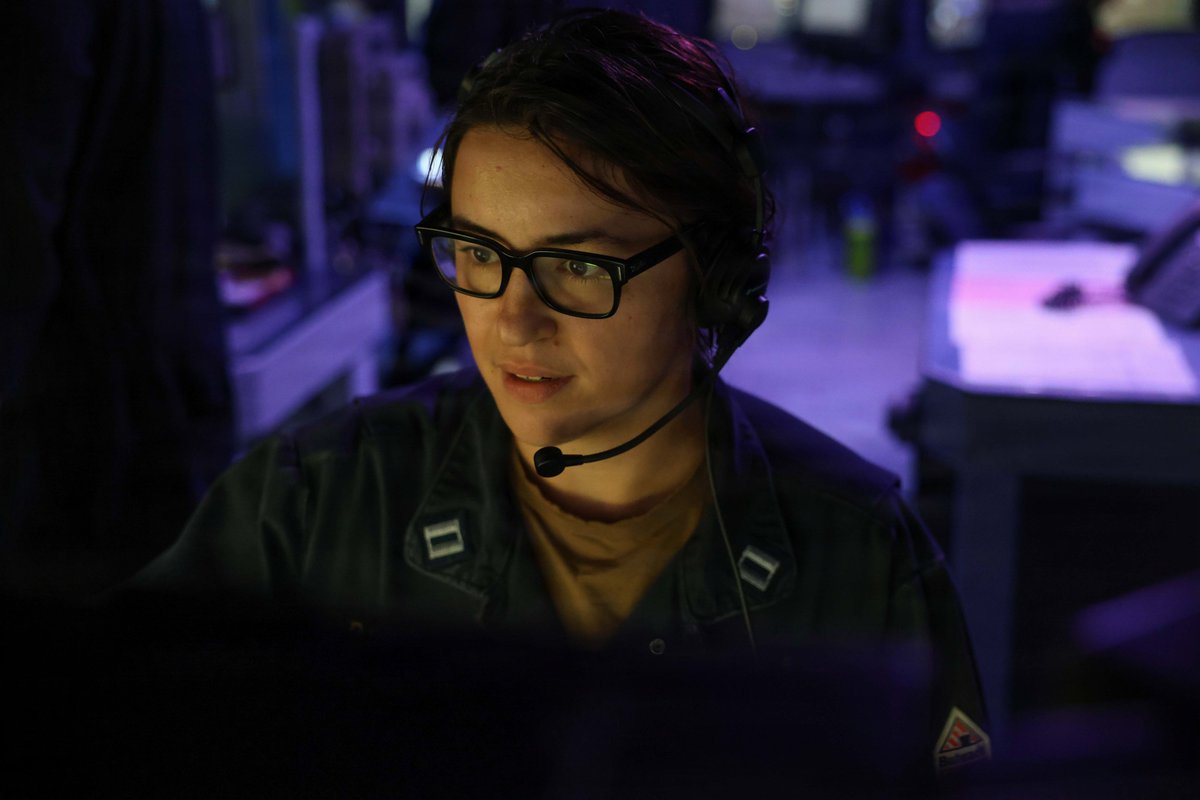
A U.S Sailor aboard USS Milius (DDG 69) stands watch as the guided-missile destroyer transits regional waters supporting the U.S. blockade against Iran. As of June 14, CENTCOM forces have redirected 142 commercial ships that complied and disabled 9 vessels that did not comply.

U.S. naval forces operating in the Middle East supported the rescue of 14 Indian mariners stranded in the Arabian Sea, June 14. Read more ⬇️
Sailors aboard USS George H.W. Bush (CVN 77) perform maintenance on MH-60 Sea Hawk helicopters, keeping them mission-ready as the aircraft carrier transits the Arabian Sea and supports the U.S. blockade against Iran.

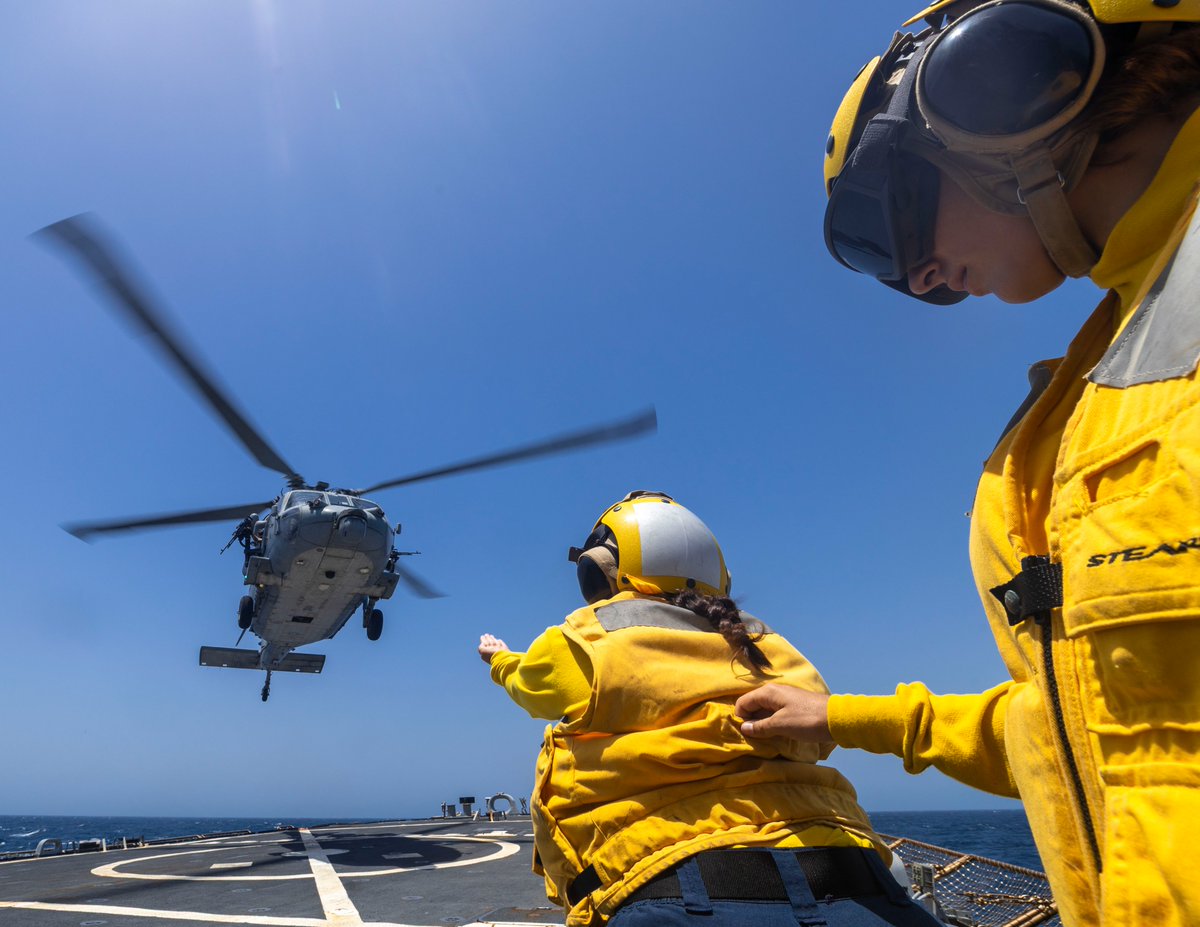
An MH-60 Sea Hawk helicopter lifts off from the flight deck of USS Delbert D. Black (DDG 119) as the ship transits the Arabian Sea in support of the blockade against Iran. As of June 13, CENTCOM forces have redirected 141 commercial vessels and disabled 9 to ensure compliance.

U.S. Navy fighter jets and command and control aircraft prepare to take off from USS Abraham Lincoln (CVN 72) as the ship transits the Arabian Sea.


Iran launched multiple one-way attack drones in an attempt to strike commercial ships transiting the Strait of Hormuz. U.S. forces have downed all of them in recent hours as traffic flow through the strait continues unimpeded. The international trade corridor remains open for transit.
A U.S. Air Force F-16 fighter jet patrols the skies above the Middle East as American forces maintain regional presence and vigilance.

U.S. forces continue to strictly enforce the blockade against Iran. CENTCOM has redirected 139 compliant commercial ships and disabled 9 non-compliant vessels since April 13.

Today, CENTCOM completed its largest training exercise with central and south Asian nations. More than 350 military personnel from 10 countries and 10 U.S. National Guard units participated. The two-week event built relationships and fostered trust among partners.
Today, CENTCOM completed its largest training exercise with central and south Asian nations. More than 350 military personnel from 10 countries and 10 U.S. National Guard units participated. The two-week event built relationships and fostered trust among partners.
U.S. Navy warships and air assets continue to patrol regional waters enforcing the blockade against Iran. As of today, U.S. forces have redirected 136 commercial vessels and disabled 9 to ensure compliance.



U.S. Navy warships and air assets continue to patrol regional waters enforcing the blockade against Iran. As of today, U.S. forces have redirected 136 and disabled 9 to ensure compliance.
🚫 CLAIM: Iranian media sources are claiming that Iran has attacked a U.S. warship in the Strait of Hormuz. FALSE. ✅ TRUTH: No U.S. warships have been struck.

🚫 CLAIM: Iran's Islamic Revolutionary Guard Corps claims that the Strait of Hormuz is closed. ✅ TRUTH: Commercial ships are continuing to transit in and out of the Strait of Hormuz tonight.

U.S. Central Command forces began launching additional self-defense strikes today at 5:15 p.m. ET against multiple targets in Iran at the Commander in Chief’s direction. The strikes are in response to Iran’s unwarranted and continued aggression.
U.S. Army paratroopers conduct small arms training during a live-fire exercise in the Middle East.

U.S. Central Command (CENTCOM) forces began launching self-defense strikes against Iran at 5 p.m. ET today at the Commander in Chief’s direction, in response to yesterday’s downing of a U.S. Army Apache helicopter. The mission is a proportional response to unjustified Iranian aggression.
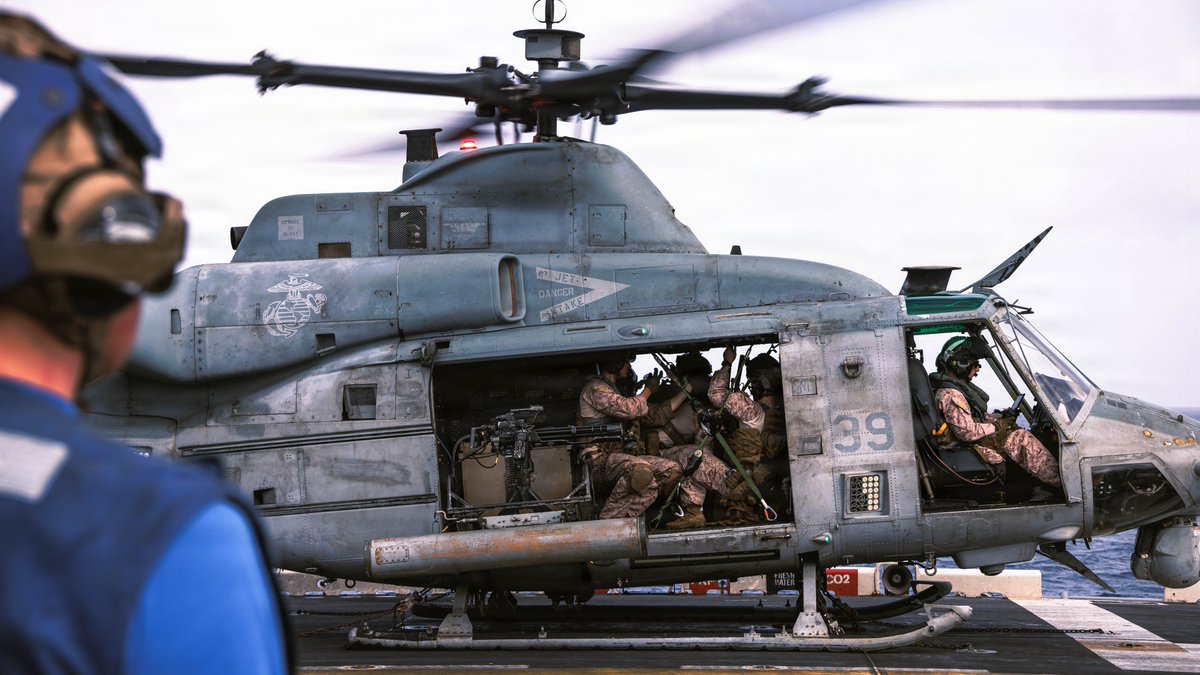
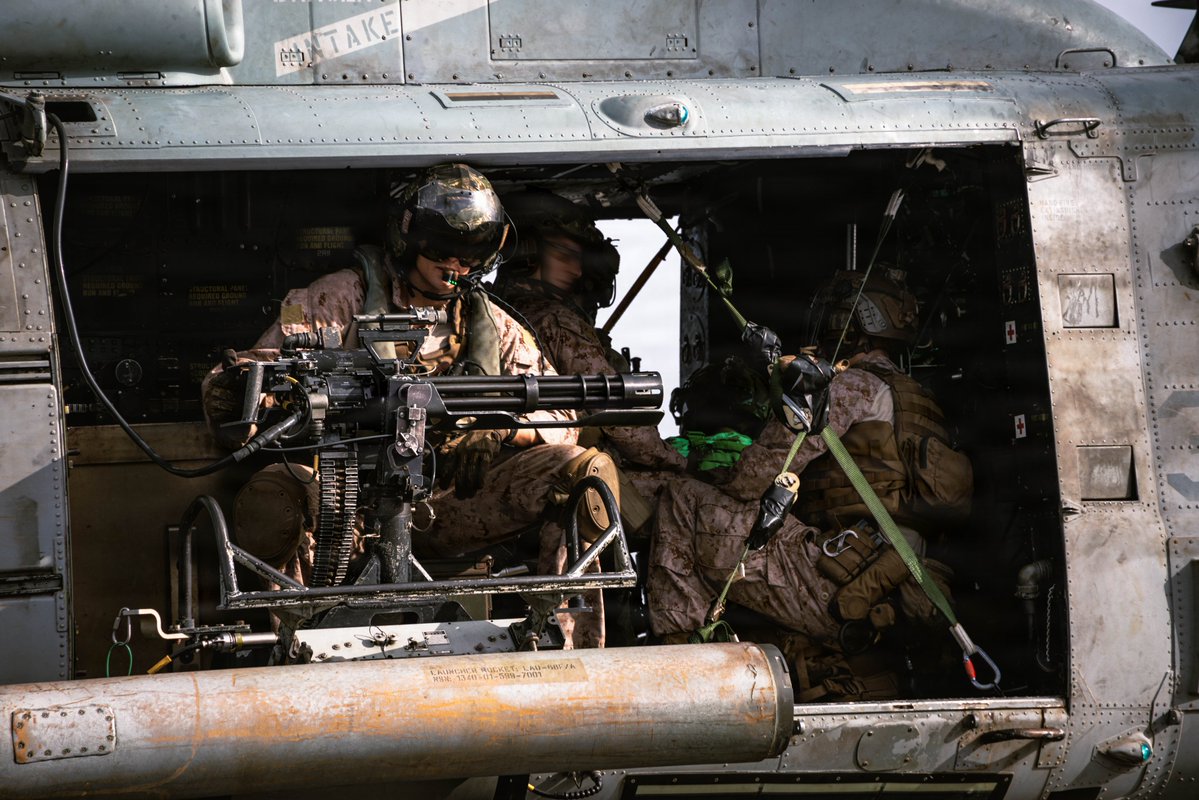
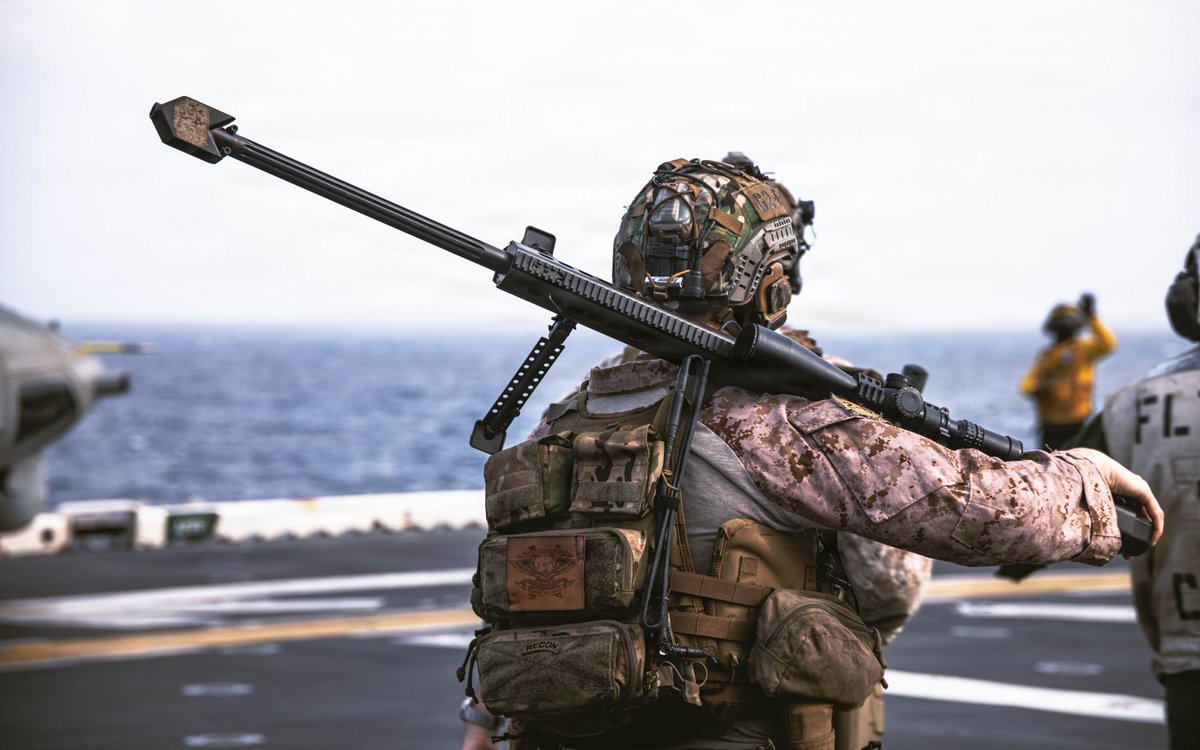
U.S. Marines with the 31st Marine Expeditionary Unit load onto a UH-1Y Venom aboard USS Tripoli (LHA 7) to conduct aerial sniper and close air support training while transiting regional waters.
Adm. Brad Cooper, CENTCOM commander, briefed the Defense subcommittee for the House Appropriations Committee today in Washington, D.C., on U.S. military operational priorities in the Middle East. Cooper will also brief the committee in the Senate tomorrow. These sessions follow public briefings to the Armed Services…

Now in its second week, Exercise Regional Cooperation 26 continues at Fort Harrison, Montana. Over the past few days, military personnel from 10 countries participated in patrol training, hand-to-hand combat, defense against drones training, and a command and control exercise.


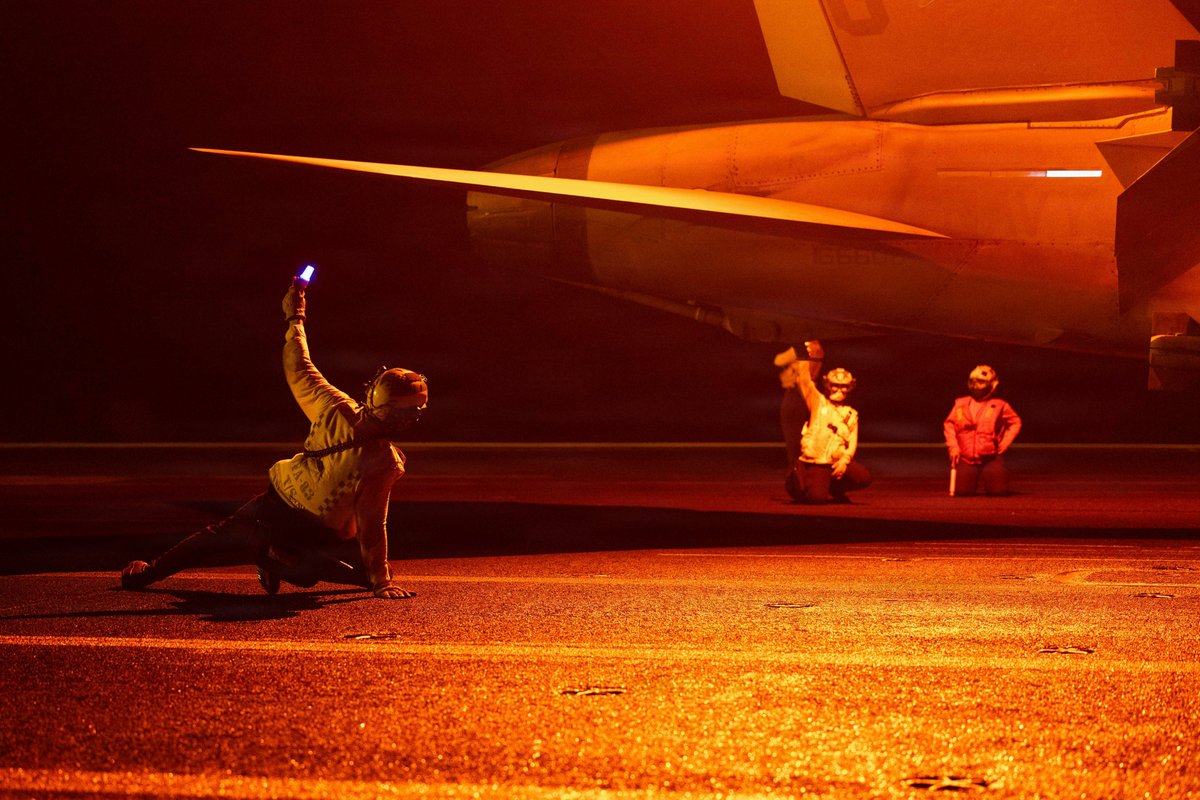
Sailors aboard USS George H.W. Bush (CVN 77) conduct night flight operations while transiting the Arabian Sea. George H.W. Bush is one of two aircraft carriers currently operating in the Middle East.



The officer of the deck aboard USS Michael Murphy (DDG 112) observes a merchant vessel while the guided-missile destroyer enforces the U.S. blockade against Iran in the Arabian Sea. As of June 7, CENTCOM forces have redirected 132 commercial vessels and disabled 6 to ensure

Earlier today, U.S. forces in the Middle East shot down two Iranian one-way attack drones that threatened international maritime traffic in the Strait of Hormuz. American forces remain postured and ready to continue defending against Iranian aggression.
Two U.S. Air Force F-35A stealth fighter jets fly over the Middle East during a patrol.

Maj. Enkhtuvshin Namjildorj from the Mongolian Air Force talks about M4 familiarization training during Exercise Regional Cooperation 26. U.S. forces and our partners are stronger when we train and operate together.
U.S. Sailors and Marines aboard USS Tripoli (LHA 7) rappel out of an MH-60S Sea Hawk while the ship sails in the Arabian Sea.


Moments ago, CENTCOM forces shot down four Iranian one-way attack drones that were launched toward the Strait of Hormuz. The attack drones posed an immediate threat to regional maritime traffic. U.S. forces subsequently struck Iranian coastal surveillance radar sites in Goruk and on Qeshm Island to defend against…
During a recent trip to the Middle East, Adm. Brad Cooper, CENTCOM commander, met with senior leaders from Bahrain, Qatar, Kuwait and Jordan. He also met with deployed U.S. service members, recognized exceptional performers, and presided over the leadership transition for U.S.


Maj. Christian Carter from the Massachusetts National Guard highlights land navigation training held this week at Regional Cooperation 26 in Montana. Military personnel from central and south Asian countries as well as National Guardsmen from 10 states are participating in the ongoing exercise to strengthen trust,…
U.S. Space Forces Central, CENTCOM's space component, holds the ultimate high ground across the Middle East as America's warfighters execute missions in support of regional security and stability. Space Force has offensive and defensive capabilities ready to be employed 24/7. Learn more:


U.S. Space Forces Central, CENTCOM's space component, holds the ultimate high ground across the Middle East as America's warfighters execute missions in support of regional security and stability. Space Force has offensive and defensive capabilities ready to be employed 24/7. Lean more:
A U.S. Sailor stands watch aboard USS McFaul (DDG 74) while the ship continues to support the U.S. blockade against Iran. As of June 4, U.S. forces have redirected 127 commercial vessels, disabled 6 non-compliant ships, and allowed 36 vessels supporting humanitarian aid to pass.

Exercise Regional Cooperation continues at Fort Harrison, Montana, where U.S. and partner forces took part in land navigation training yesterday. More than 350 military personnel from 10 countries and 10 U.S. National Guard units are participating in the 11-day exercise.

🚫 CLAIM: Iran is now claiming it has targeted a U.S. Navy destroyer in the Gulf of Oman. ✅ TRUTH: Iran is lying. U.S. military assets at sea continue to fly, sail, and operate safely and unimpeded.

🚫CLAIM: Iran claimed today that it did not attack the passenger terminal at Kuwait International Airport and damage was instead caused by a U.S. missile interceptor. Totally FALSE. ✅TRUTH: Iran struck the civilian airport with drones in a deliberate, calculated, and

A U.S. Sailor aboard USS Rafael Peralta (DDG 115) observes a commercial vessel as the ship patrols the Arabian Sea while enforcing the U.S. blockade against Iran. As of June 3, CENTCOM forces have redirected 125 commercial vessels and disabled 6 to ensure compliance.

An additional wave of Iranian drones attempting to attack U.S. forces in Kuwait failed to impact intended targets tonight. U.S. Central Command air defenses successfully downed multiple drones and ensured no American personnel or assets were harmed.
🚫 CLAIM: Iran’s Islamic Revolutionary Guard Corps claims they struck U.S. 5th Fleet headquarters in Bahrain and a U.S. air base in the region with missiles and drones today. FALSE. ✅ TRUTH: All Iranian attacks on American forces failed. U.S. forces remain vigilant and ready to defend against unwarranted Iranian…
Exercise Regional Cooperation 26 began at Fort Harrison, Montana, yesterday, with opening ceremonies and an obstacle course. Regional Cooperation is the largest CENTCOM training exercise with central and south Asian nations.


U.S. Marines assigned to Maritime Raid Force, 31st Marine Expeditionary Unit, conduct fast rope training aboard USS Tripoli (LHA 7) in the Arabian Sea.


Thousands of U.S. service members at sea, in the skies, and from land are supporting the ongoing U.S. blockade against Iran. As of June 1, CENTCOM forces have redirected 121 commercial vessels and disabled 5 to ensure compliance.
Last night at 11 p.m. ET, U.S. forces successfully intercepted two Iranian ballistic missiles targeting American forces based in Kuwait. These missiles were immediately defeated and no American personnel were harmed. U.S. Central Command remains vigilant and will continue to protect our forces from Iranian…
Airmen deployed with U.S. Air Forces Central perform maintenance on an F-16 fighter jet at a base in the Middle East.



U.S. Sailors guide an MH-60S Sea Hawk helicopter as it lands on the flight deck of USS Milius (DDG 69) during flight operations, May 29. Milius is supporting the U.S. blockade against Iran, which has redirected 118 commercial vessels and disabled 5 as of May 31.