Nickel, cobalt, manganese, and copper are critical components in everything from batteries to advanced weapons. For now, the global market for them runs through China. But seabed mining could give the U.S. a new, more secure source.

Nickel, cobalt, manganese, and copper are critical components in everything from batteries to advanced weapons. For now, the global market for them runs through China. But seabed mining could give the U.S. a new, more secure source.

Lower wages. Worse health outcomes. More interactions with the criminal justice system. These are just some of the consequences for America's "disconnected" youth—those who are out of school, out of work, and not in career training.

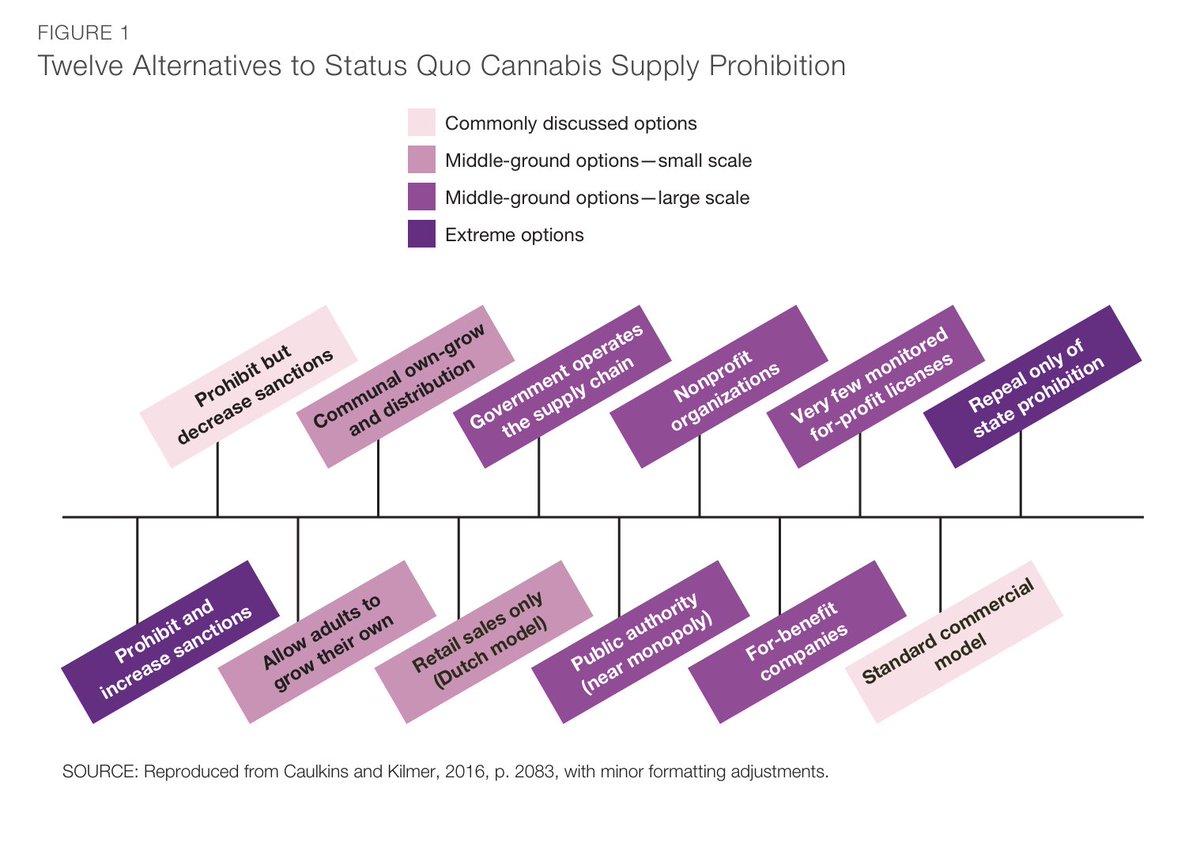
New research outlines options for those considering changes to cannabis policy in Indiana, ranging from reducing penalties for cannabis possession to regulating and licensing supply and sales to adults. https://t.co/DwIueDpyFK


Some of the best data available on psychedelic use and policy come from RAND. Researchers have studied the options—and the trade-offs—as some states begin to ease access to psychedelics.

The race toward artificial general intelligence poses serious national security risks. In a new paper, RAND experts offer a strategic approach that could help the United States navigate the transition to an AGI world.

Here's how RAND's Robert Lempert is using his expertise to help his community rebuild after the 2025 L.A. fires:

As AI systems assume more decisionmaking roles in government, the economy, and society, a question emerges: Will humans retain the capacity to shape collective outcomes?

Could deep sea mining break China's grip on critical minerals? Here's what our research says about the challenges facing Washington:

New study examines what could happen if Indiana—typically considered one of the more restrictive U.S. states—changes its approach to cannabis.

"We need to find alternative sources of these critical minerals that don't involve China. This is an all-of-government, all-hands effort. Seabed mining is one way we might accomplish it."

💸 Today is Tax Day. America's tax system raises trillions in revenue to fuel the government, but the text itself is a labyrinth. That makes it hard to understand the true effects of any proposed changes to the tax code. Even small "fixes" can cause ripple effects and unintended


Decades of experience have shown that military efforts to dislodge the Houthis are unlikely to be effective, says RAND's Alexandra Stark. "Instead of retaliatory strikes, the U.S. should favor a diplomatic approach."

"The biggest nuclear state has invaded the state that officially gave up nuclear weapons. It might serve as a lesson on why countries should not give up these capabilities if they possess them."

The narrative that China is attempting to exploit the #COVID19 crisis for geopolitical gain is exaggerated, says @DerekJGrossman. Beijing's assertive behavior isn't new.

China is using "simplistic mask diplomacy" to try to make other nations forget about Beijing's role in the pandemic, says RAND's Jeffrey Hornung.

"One of the central challenges for the United States and Europe will be to forge a more united approach to China's resurgence, lest its growing ambitions and influence erode the foundations of the European and transatlantic projects."

"Now is the time for Washington to keep faith with its friends, its values, and its interests and ensure that all sides know that the United States stands together with peoples struggling for freedom, democracy, dignity, and the rule of law."

"Since the beginning of 2018, Kim has surrendered and dismantled no nuclear weapons, but has likely built 5-9 new nuclear weapons. So he has not frozen his nuclear program and he has certainly not been denuclearizing; instead, he has been nuclearizing."

ICYMI, we released a study on #TruthDecay — the diminishing role of facts and analysis in American public life — and how to fight it. Don't have time to read all 324 pages? Here's a summary. [thread]

We're excited to announce our first research report on the diminishing role of facts and analysis in American public life. We call this phenomenon #TruthDecay. https://t.co/N8klXkKcsD via @jekavanagh & @michaeldrich